Your Nervous System Is Fried. Here's the Reset Button.
You can't think your way out of chronic stress. But you can sweat, shiver, and breathe your way through it. How contrast therapy resets your nervous system when nothing else works.
You know the feeling. You’re lying in bed, exhausted, but your brain won’t stop. You’ve scrolled through your phone for thirty minutes without absorbing a single thing. Your jaw is clenched. Your shoulders are up by your ears. You’re technically resting, but your body doesn’t believe it.
This is what a fried nervous system feels like. And if you’re honest with yourself, it’s been like this for a while.
The Stress Loop Nobody Talks About
Modern life runs on a stress cycle that never fully completes. Your body kicks into fight-or-flight dozens of times a day. The work email that spikes your heart rate. The news notification. The low-grade anxiety of just… existing in 2026. Each one triggers a cortisol response. And because you’re sitting at a desk or staring at a screen, your body never gets the physical release it needs to finish the cycle.
So the stress stacks. Layer after layer, day after day. You feel wired but tired. Reactive but unmotivated. You try meditation apps, supplements, better sleep hygiene. Some of it helps at the margins. But the deeper pattern doesn’t shift.
That’s because the problem isn’t in your head. It’s in your nervous system.
What “Nervous System Dysregulation” Actually Means
You’ve probably seen this phrase everywhere lately. Let’s strip away the jargon.
Your autonomic nervous system has two modes. The sympathetic side is your gas pedal. It speeds everything up: heart rate, breathing, alertness. It’s designed for short bursts of danger. The parasympathetic side is your brake. It slows things down, helps you rest, digest, recover.
When these two systems are in balance, you can respond to stress and then return to calm. That’s healthy. The problem is that most of us have our foot stuck on the gas. The sympathetic system stays activated because the stressors never stop, and we never give our bodies a strong enough signal to switch over.
A breathing exercise can nudge the brake pedal. That’s real and valuable. But sometimes you need something more visceral. Something your body can’t ignore.
Heat, Cold, Rest: The Physical Reset
This is where contrast therapy comes in. Not as a wellness trend or a biohacking protocol, but as a blunt, effective tool for interrupting the stress loop.
Here’s what happens:
In the sauna (15-20 minutes, 170-200°F): Your heart rate rises. Blood vessels dilate. Your body starts to sweat. This is a controlled stressor, and your body recognizes it as one. But because you’re safe, warm, and still, something interesting happens: your parasympathetic system starts to engage even as your heart rate climbs. Your body learns that it can be stressed and safe at the same time.1
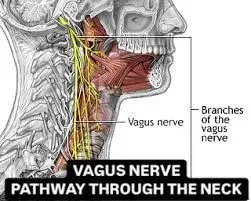
In the cold plunge (1-3 minutes, 39-50°F): The shock of cold water triggers a massive sympathetic response. Your heart rate spikes. You gasp. Every instinct tells you to get out. But if you stay, if you breathe through it, your body adapts. The parasympathetic system kicks in hard. This is the vagus nerve activating, sending a clear signal: we’re okay.2
In the rest period (5-10 minutes): This is the part people skip, and it’s the part that matters most. After the intensity of heat and cold, your body enters a deep state of calm. Heart rate variability improves. Cortisol drops. You feel genuinely relaxed, not because you talked yourself into it, but because your nervous system physically shifted gears.3
Repeat this cycle two or three times, and you’ve given your body something it rarely gets: a complete stress response with a complete recovery.
Breathwork: The Bridge Between Rounds
Breathing is the one autonomic function you can consciously control. That makes it the most accessible tool for nervous system regulation, and it becomes even more powerful when combined with heat and cold.
At Pyre, our guided sessions include breathwork for a reason. Slow, controlled exhales activate the vagus nerve. Box breathing between rounds helps your body transition from sympathetic to parasympathetic mode. And the simple act of focusing on your breath pulls you out of your head and into your body.
Emily Russo, a Sherpa Breath and Cold certified specialist, leads breathwork at Pyre. The techniques aren’t complicated. They don’t require any prior experience. But in the context of contrast therapy, they amplify everything.
Why Doing This With Other People Changes Everything
There’s a concept in neuroscience called co-regulation. It’s the idea that our nervous systems are influenced by the nervous systems around us. When you’re in a room full of calm people, your body picks up on that signal and calms down too.
This is why doing contrast therapy in a communal setting hits different than doing it alone in your bathroom. When you hear someone else’s steady breathing in the sauna, when you watch someone lower themselves into the cold plunge with a focused exhale, when you sit together in the rest period and nobody needs to say anything, your nervous system reads all of those cues. Safety. Calm. Connection.4
The Surgeon General’s advisory on loneliness found that social isolation carries health risks equivalent to smoking 15 cigarettes a day.5 Your nervous system doesn’t just need physical reset. It needs the signal that comes from being around other humans who are present and grounded.
This Isn’t Optimization. It’s Permission.
We want to be clear about something. This isn’t about hacking your biology or optimizing your performance. It’s about giving your body something it desperately needs: a chance to complete the stress cycle. A physical, visceral experience that reminds your nervous system what “off” feels like.
You don’t need to be an athlete. You don’t need to be into wellness culture. You just need to be someone whose body has been running on empty for too long.
This article is for informational purposes. If you have cardiovascular conditions or other medical concerns, consult your healthcare provider before trying contrast therapy.
Ready to Reset?
Our guided sessions walk you through the full contrast therapy cycle with breathwork support. No experience needed.
References
Footnotes
-
Hussain, J., & Cohen, M. (2018). Clinical Effects of Regular Dry Sauna Bathing: A Systematic Review. Evidence-Based Complementary and Alternative Medicine, 2018. ↩
-
Shevchuk, N. A. (2008). Adapted cold shower as a potential treatment for depression. Medical Hypotheses, 70(5), 995-1001. ↩
-
Laukkanen, T., et al. (2018). Cardiovascular and Other Health Benefits of Sauna Bathing: A Review of the Evidence. Mayo Clinic Proceedings, 93(8), 1111-1121. ↩
-
Kok, B. E., & Fredrickson, B. L. (2010). Upward spirals of the heart: Autonomic flexibility, as indexed by vagal tone, reciprocally and prospectively predicts positive emotions and social connectedness. Biological Psychology, 85(3), 432-436. ↩
-
U.S. Surgeon General. (2023). Our Epidemic of Loneliness and Isolation. U.S. Department of Health and Human Services. ↩
Related Posts
Activating the Vagus Nerve: How Sauna, Cold Plunge, and Breathwork Enhance Well-Being
Discover how the vagus nerve connects your mind and body, and learn how sauna bathing, cold plunging, and breathwork can stimulate this powerful nerve for improved stress resilience, better mood, and enhanced physical health.
A Beginner's Guide to Contrast Therapy (And Why the Cold Part Isn't as Bad as You Think)
Everything you need to know before your first sauna-to-cold-plunge session. Temperatures, timing, breathing techniques, and what to expect when you walk out feeling better than you have in months.
Traditional Sauna vs. Infrared: What the Science Actually Says
Infrared saunas promise the same benefits at lower temperatures for less money. But the research tells a different story. An honest, evidence-based comparison of traditional and infrared saunas.