The Science Behind Cold Plunging: Benefits and Best Practices
Discover the powerful health benefits of cold water immersion, from improved circulation to enhanced mental resilience, and learn how to safely incorporate cold plunging into your wellness routine.

Cold plunging, also known as cold water immersion or cold water therapy, has surged in popularity as both athletes and wellness enthusiasts discover its remarkable benefits. What was once considered an extreme practice is now recognized as a powerful tool for physical recovery, mental clarity, and overall health optimization.
Understanding Cold Therapy
Cold water immersion involves submerging the body in water temperatures typically between 40-55°F (4-13°C) for a short duration, usually 2-10 minutes. This practice triggers a cascade of physiological responses that can benefit both body and mind.
The shock of cold water activates the body’s natural survival mechanisms, stimulating the sympathetic nervous system and releasing a surge of norepinephrine - a hormone and neurotransmitter that plays a crucial role in focus, attention, and mood regulation.
Physical Benefits
Enhanced Recovery and Reduced Inflammation
One of the most well-documented benefits of cold plunging is its ability to reduce inflammation and accelerate recovery after intense physical activity.1 The cold water causes blood vessels to constrict, reducing swelling and flushing metabolic waste from muscles.
When you exit the cold water, the subsequent warming causes blood vessels to dilate, bringing fresh, oxygenated blood back to the tissues. This alternating constriction and dilation acts like a natural pump, enhancing circulation throughout the body.
Improved Circulation and Cardiovascular Health
Regular cold exposure trains your cardiovascular system to become more efficient. The initial vasoconstriction followed by vasodilation improves the elasticity of blood vessels and can lead to better overall circulation.
Studies have shown that consistent cold water immersion may help reduce blood pressure and improve heart health markers.2 The practice challenges the cardiovascular system in a controlled way, building resilience over time.
Metabolic Activation
Cold exposure activates brown adipose tissue (BAT), a type of “good” fat that burns calories to generate heat.3 Regular cold plunging may help increase your metabolic rate and improve insulin sensitivity, potentially supporting healthy weight management.
Mental and Emotional Benefits
Stress Resilience and Mental Toughness
Perhaps the most transformative aspect of cold plunging is its impact on mental resilience.2 The practice of voluntarily entering uncomfortable cold water builds what psychologists call “stress inoculation” - you learn to remain calm and controlled in challenging situations.
This mental fortitude goes beyond the ice bath. Regular practitioners often report feeling better equipped to handle stress in their daily lives, experiencing less reactivity to minor frustrations and challenges.
Mood Enhancement and Mental Clarity
The surge of norepinephrine and endorphins triggered by cold exposure can lead to significant mood improvements. Many people report feeling euphoric and energized after a cold plunge, with effects lasting several hours.
Cold water immersion has shown promise in managing symptoms of depression and anxiety.4 The forced focus required to control your breathing in cold water creates a natural form of mindfulness, quieting mental chatter and bringing you fully into the present moment.
Improved Sleep Quality
While it might seem counterintuitive, cold plunging can actually improve sleep quality. The practice helps regulate circadian rhythms and, when done earlier in the day, can contribute to better sleep at night. The post-cold-plunge relaxation response that follows the initial stress can help reset the nervous system.
The Perfect Pairing: Sauna and Cold Plunge
At Pyre, we believe in the power of contrast therapy - alternating between hot sauna sessions and cold plunges. This practice, rooted in centuries-old Nordic traditions, amplifies the benefits of both modalities.
The sauna opens pores, increases circulation, and promotes deep relaxation. Following it with a cold plunge creates a powerful vascular workout, enhances the release of beneficial hormones, and provides an incomparable sense of invigoration and well-being.
Getting Started Safely
If you’re new to cold plunging, it’s essential to start gradually:
- Begin with Cold Showers: Start by ending your regular shower with 30 seconds of cold water, gradually increasing the duration over several weeks.
- Work Your Way Down: Start with cooler water (60-70°F) before progressing to truly cold temperatures (40-55°F).
- Focus on Breathing: Control your breath. Slow, deliberate breathing helps manage the cold shock response and keeps you present.
- Start with Short Durations: Begin with 1-2 minutes and gradually increase as your tolerance builds. Even brief exposures provide benefits.
- Listen to Your Body: Never push through numbness or extreme discomfort. The goal is controlled stress, not suffering.
Contraindications and Safety
While cold plunging offers many benefits, it’s not appropriate for everyone. Consult with a healthcare provider before starting if you have:
- Cardiovascular conditions
- High blood pressure
- Pregnancy
- Raynaud’s syndrome
- Cold urticaria or cold sensitivity
Never cold plunge alone, especially as a beginner. Having someone nearby ensures safety and can make the experience more enjoyable.
The Pyre Experience
At Pyre, we’ve designed our cold plunges to complement your sauna experience perfectly. Our plunges are kept at optimal temperatures for therapeutic benefit, and our experienced guides can help you develop a practice that suits your individual needs and goals.
Whether you’re an athlete seeking enhanced recovery, someone looking to build mental resilience, or simply curious about expanding your wellness routine, cold plunging offers a powerful tool for transformation.
The discomfort is temporary. The benefits are lasting. The community is supportive. Step into the cold with us, and discover what you’re capable of.
Ready to Experience It Yourself?
Join us at Pyre and become part of this ancient tradition of communal wellness and connection.
References
Footnotes
-
Bleakley, C. M., & Davison, G. W. (2010). What is the biochemical and physiological rationale for using cold water immersion in sports recovery? British Journal of Sports Medicine, 44(3), 179-187. ↩
-
Huttunen, P., Kokko, L., & Ylijukuri, V. (2004). Winter swimming improves general well-being. International Journal of Circumpolar Health, 63(2), 140-144. ↩ ↩2
-
van der Lans, A. A. J. J., Hoeks, J., Brans, B., Vijgen, G. H. E. J., Visser, M. G. W., Vosselman, M. J., Hansen, J., Jörgensen, J. A., Wu, J., Mottaghy, F. M., Schrauwen, P., & van Marken Lichtenbelt, W. D. (2013). Cold acclimation recruits human brown fat and increases nonshivering thermogenesis. Proceedings of the National Academy of Sciences, 110(4), 15773-15778. ↩
-
Shevchuk, N. A. (2008). Adapted cold shower as a potential treatment for depression. Medical Hypotheses, 70(5), 995-1001. ↩
Related Posts
A Beginner's Guide to Contrast Therapy (And Why the Cold Part Isn't as Bad as You Think)
Everything you need to know before your first sauna-to-cold-plunge session. Temperatures, timing, breathing techniques, and what to expect when you walk out feeling better than you have in months.
Your Nervous System Is Fried. Here's the Reset Button.
You can't think your way out of chronic stress. But you can sweat, shiver, and breathe your way through it. How contrast therapy resets your nervous system when nothing else works.
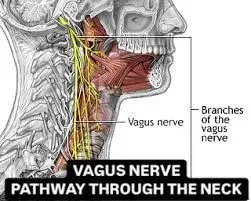
Activating the Vagus Nerve: How Sauna, Cold Plunge, and Breathwork Enhance Well-Being
Discover how the vagus nerve connects your mind and body, and learn how sauna bathing, cold plunging, and breathwork can stimulate this powerful nerve for improved stress resilience, better mood, and enhanced physical health.