A Beginner's Guide to Contrast Therapy (And Why the Cold Part Isn't as Bad as You Think)
Everything you need to know before your first sauna-to-cold-plunge session. Temperatures, timing, breathing techniques, and what to expect when you walk out feeling better than you have in months.
Everyone remembers their first cold plunge. The gasp. The urge to climb out immediately. The surprising calm that follows. The thing nobody tells you: the cold isn’t the point. The transition is.
Contrast therapy is the practice of alternating between hot and cold exposure, typically sauna and cold plunge, with rest periods in between. People have been doing some version of this for thousands of years. Finnish sauna culture, Russian banya traditions, Scandinavian ice swimming after a sweat lodge. The practice predates modern science, but modern science has caught up to explain why it works so well.1
If you’ve been curious but intimidated, this guide is for you.
What Contrast Therapy Actually Is
At its simplest: you get hot, you get cold, you rest. Then you repeat.
The “contrast” refers to the rapid shift between thermal extremes. Your body responds to each change with a cascade of physiological adaptations. Blood vessels dilate in the heat, then constrict in the cold. Heart rate rises, then drops. Hormones spike, then settle. Each cycle trains your cardiovascular system, your nervous system, and your stress response.
Think of it as interval training for your entire body, except instead of sprinting and resting, you’re heating and cooling.
The Science (Without the Jargon)
When you expose your body to thermal stress, it activates something called hormesis. That’s a fancy word for a simple idea: small amounts of stress, followed by recovery, make your body more resilient.2
In the sauna, your heart rate rises to 100-150 bpm. Blood vessels dilate. Your body produces heat shock proteins that help repair cellular damage. Growth hormone levels spike. It’s the physiological equivalent of a moderate cardio workout, except you’re sitting still.3
In the cold plunge, your body does the opposite. Blood vessels constrict, pushing blood toward your core to protect your organs. Norepinephrine floods your system (studies show a 200-300% increase), improving focus, mood, and energy. Your vagus nerve activates, triggering a deep parasympathetic response.4
The rest period is where your body integrates both signals. Heart rate variability improves. Cortisol drops. You enter a state of calm that’s qualitatively different from just sitting on your couch. It’s the calm that comes after your body has been genuinely challenged and has risen to meet it.
Your First-Timer Protocol
Here’s a practical guide for your first contrast therapy session at Pyre. None of these numbers are rules. They’re starting points. Listen to your body.
Round 1: Getting Comfortable
Sauna: 10-15 minutes at 170-190°F Start on a lower bench if the heat feels intense. Focus on relaxing your shoulders and jaw. Breathe slowly through your nose. The first few minutes can feel uncomfortable, then your body adjusts and the warmth becomes genuinely pleasant.
Cold Plunge: 30 seconds to 1 minute at 39-50°F This is the part that scares people. Here’s the secret: the first 10 seconds are the hardest. Your body gasps. Your mind screams “get out.” If you can breathe through those first 10 seconds, something shifts. The shock fades and a strange, focused calm takes over. Start with 30 seconds. That’s plenty.
Rest: 5-10 minutes Sit or lie down somewhere comfortable. This is the most underrated part of the experience. Your body is processing the contrast. Let it. Don’t check your phone. Don’t rush to the next round. Just be still and notice how you feel.
Round 2: Going Deeper
Sauna: 12-18 minutes You’ll notice the heat feels different the second time. Your body is more relaxed, more receptive. Many people find the second round is when they really start to enjoy the sauna.
Cold Plunge: 1-2 minutes Now that you know the shock passes, you can stay a bit longer. Focus on slow exhales. Count your breaths instead of watching the clock.
Rest: 5-10 minutes The post-cold calm is deeper this time. Many people describe a tingling warmth spreading through their body. This is increased blood flow returning to your extremities. It feels remarkable.
Round 3 (Optional): The Payoff
Sauna: 10-15 minutes Cold Plunge: 1-3 minutes Extended Rest: 10+ minutes
By the third round, most first-timers are converts. The anxiety about the cold is gone. The sauna feels like home. And the final rest period produces a state of relaxation that’s hard to describe until you’ve felt it.
How to Breathe Through the Cold
The breathing is everything. Here’s what works:
Before you get in: Take 3-4 deep breaths. Inhale through your nose for 4 counts, exhale through your mouth for 6 counts. This pre-activates your parasympathetic nervous system.
The moment you enter: You’re going to gasp. That’s fine. It’s involuntary. Don’t fight it. Just let the gasp happen, then immediately shift to slow, controlled exhales. Focus all your attention on making each exhale longer than your inhale.
While you’re in: Keep your exhales long and steady. Some people hum or sigh on the exhale, which naturally extends it. Don’t hold your breath. Don’t hyperventilate. Just breathe out slowly.
When you get out: You’ll feel a rush of warmth and energy. Take a few natural breaths and let your body do its thing.
The Rest Period: Where the Magic Actually Happens
We keep coming back to this because it’s the part most people skip, and it’s the part that matters most.
The rest period is when your body completes the stress-recovery cycle. Your nervous system shifts from sympathetic (fight or flight) to parasympathetic (rest and digest). Your blood vessels, which have been dilating and constricting, settle into an improved baseline. Endorphins and endocannabinoids circulate through your system.
If you skip the rest, you’re getting maybe 60% of the benefit. The contrast alone is good. The contrast plus genuine rest is transformative.
Why This Beats a Spa Day
A spa gives you one mode: relax. Someone does something pleasant to you while you lie still. It’s nice. Genuinely nice.
Contrast therapy gives you the full arc. You actively participate. You feel discomfort and move through it. You experience real challenge, real surrender, and real euphoria. You leave feeling alive, not just calm.
And unlike a spa, you do it alongside other people. The shared experience of facing the cold, of settling into the heat, of resting together afterward, it creates a bond that a side-by-side couples massage doesn’t touch.
What to Expect After Your First Session
Immediately after: A warm, buzzy feeling. Like your whole body is humming quietly. Most people describe feeling “reset” or “rebooted.” Colors might seem brighter. Sounds might seem clearer. That’s the norepinephrine and endorphins doing their thing.
That evening: Deep, restorative sleep. This is one of the most consistent effects people report. The combination of heat, cold, and deep relaxation seems to signal your body that it’s truly safe to rest.
The next day: Muscle soreness (if you had any) tends to be reduced. Energy levels are often noticeably higher. Mood is improved. Many people say the day after their first session is when they decide to come back.
Over time: With regular practice (2-3 times a week), most people notice improved stress resilience, better sleep quality, reduced inflammation, and a growing sense of comfort with discomfort. The cold plunge that terrified you becomes the highlight of your week.
Common Concerns, Honestly Addressed
“I can’t handle cold water.” Almost everyone says this before their first session. Almost everyone is wrong. The key is starting small (30 seconds) and focusing on your breath. Your body is more capable than your mind gives it credit for.
“I have a medical condition.” Talk to your doctor first. People with uncontrolled high blood pressure, recent heart issues, or who are pregnant should get medical clearance before contrast therapy. Most people are fine, but it’s worth checking.
“I’ll look silly.” Everyone gasps on their first cold plunge. Everyone. It’s part of the experience, and nobody judges it because everyone’s been there.
“Is this just a trend?” Contrast therapy has been practiced for thousands of years across dozens of cultures. Finnish saunas. Russian banyas. Japanese onsen followed by cold river dips. The trend isn’t the practice. The trend is the West finally rediscovering what the rest of the world never forgot.
This article is for informational purposes. If you have cardiovascular conditions or other medical concerns, consult your healthcare provider before trying contrast therapy.
Ready for Your First Session?
Our guided sessions walk you through every step. We'll handle the breathing cues, the timing, and the encouragement. You just show up.
References
Footnotes
-
Mooventhan, A., & Nivethitha, L. (2014). Scientific evidence-based effects of hydrotherapy on various systems of the body. North American Journal of Medical Sciences, 6(5), 199-209. ↩
-
Calabrese, V., et al. (2010). Cellular stress responses, hormetic phytochemicals and vitagenes in aging and longevity. Biochimica et Biophysica Acta, 1822(5), 753-783. ↩
-
Laukkanen, T., et al. (2018). Cardiovascular and Other Health Benefits of Sauna Bathing: A Review of the Evidence. Mayo Clinic Proceedings, 93(8), 1111-1121. ↩
-
Shevchuk, N. A. (2008). Adapted cold shower as a potential treatment for depression. Medical Hypotheses, 70(5), 995-1001. ↩
Related Posts
Your Nervous System Is Fried. Here's the Reset Button.
You can't think your way out of chronic stress. But you can sweat, shiver, and breathe your way through it. How contrast therapy resets your nervous system when nothing else works.
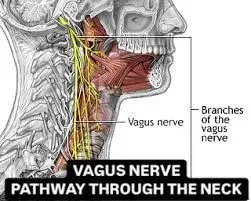
Activating the Vagus Nerve: How Sauna, Cold Plunge, and Breathwork Enhance Well-Being
Discover how the vagus nerve connects your mind and body, and learn how sauna bathing, cold plunging, and breathwork can stimulate this powerful nerve for improved stress resilience, better mood, and enhanced physical health.
Traditional Sauna vs. Infrared: What the Science Actually Says
Infrared saunas promise the same benefits at lower temperatures for less money. But the research tells a different story. An honest, evidence-based comparison of traditional and infrared saunas.